


Dog Daycare in Toronto: An Honest Guide from Someone Who Runs One
I've spent nearly ten years working with dogs professionally: police dogs, dogs on TV and film sets, and now the dogs of Liberty Village at Fluffy Paws. This guide is what I tell friends when they ask whether daycare is right for their dog. No fluff, real numbers, and the things I'd actually check if I were touring someone else's facility.
What your dog actually does all day
A well-run daycare day is not eight hours of chaos. It's a rhythm: play, rest, walk, repeat. And the staff aren't just lifeguards watching the pool. Good supervision means stepping in when play tips into bullying, rewarding the polite choices, and giving an overexcited dog a break before excitement turns into stress. Dogs that stay wound up all day come home frantic, not happy. Balancing play, rest, and learning is the actual job.
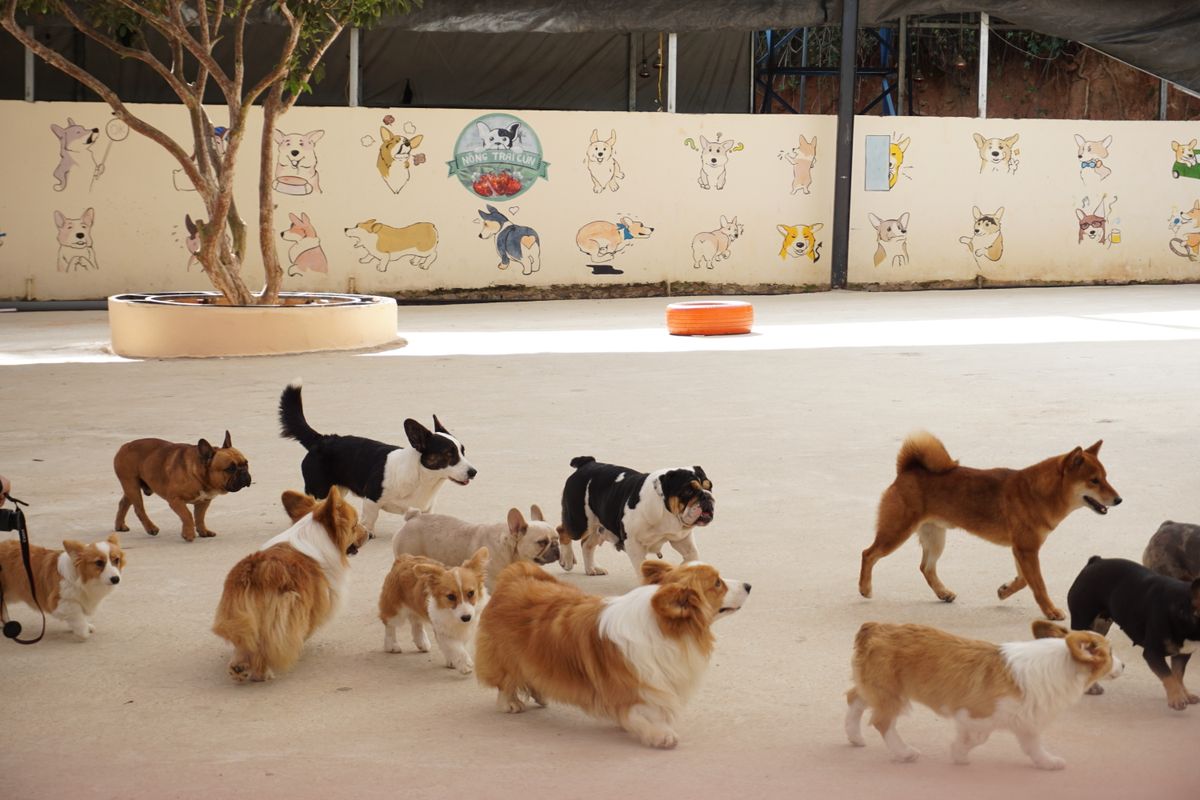
Here's something that surprises people: not every dog at daycare plays hard, and that's fine. Some dogs spend half the day observing from the sidelines, sniffing around, occasionally joining a game and then tapping out. That IS socialization. They're reading other dogs' signals, learning how to hold their own space without starting anything, and getting comfortable with play styles they'll meet at the park for the rest of their lives. Take a dog I'll call Fig, a sensitive little terrier mix who spent his first two weeks with us mostly watching from under a bench like a tiny security guard. Nobody forced him. By week three he was refereeing wrestling matches. That slow build is the point.
One more thing most owners never think to ask: where do the dogs relieve themselves? Plenty of downtown facilities have no yard, which is normal in a dense city and not a problem by itself. The problem is the shortcut some take instead: indoor turf "potty islands" that teach your dog it's perfectly fine to go inside. Then the habit comes home with them. We take every dog on two individual outdoor walks a day, partly for exactly this reason (and partly because a one-on-one walk is where leash manners actually get practiced).
What daycare costs in Toronto (real numbers)
Toronto pricing is fairly predictable once you know the tiers:
| Option | Typical Toronto range | At Fluffy Paws |
|---|---|---|
| Full day (weekday) | $45–$65 downtown | $58 |
| Full day (weekend) | often unavailable | $65 |
| Half-day (up to 6 hrs) | $30–$45 | $38 |
| Weekly plans, per day | varies | $47–$56 |
| Holidays | usually closed | $70 |
The lever that matters is frequency. Two or three days a week is the sweet spot for most dogs, and a weekly plan drops the per-day cost meaningfully; our unlimited-weekday plan works out to $47/day. Full details are on our pricing page. When comparing facilities, always ask what's included: a cheap headline rate plus paid walks, paid photo updates, and a late-pickup penalty often costs more than an all-inclusive rate.

How to judge a facility in one visit
Forget the brochure. Here's what I'd check touring a competitor, in order:
- Trust your nose. A clean facility smells neutral, not like bleach fighting a losing battle. Lingering urine and feces smell means cleaning is losing to volume, and that's how skin infections and stomach bugs spread. A musty smell can mean mold. Dogs live at floor level; their nose is in everything yours can smell and plenty you can't.
- Look down. Dogs run, jump, wrestle, and nap on that floor all day. Cracked surfaces, broken boards, and slippery concrete are hard on paws, nails, joints, and skin. A facility that invested in proper flooring invested in the dogs; a facility with splinters made a different choice.
- Watch the staff for five minutes. Are they in the group, redirecting rough play and rewarding calm? Or leaning on the wall with a phone? Passive supervision is just witnessing.
- Ask where the dogs pee. If the answer is an indoor turf island, ask how they plan to explain that new habit to your rug.
- Check the toy policy. A room full of shared toys, or worse, everyone's personal favourites from home, is a resource-guarding fight waiting for a venue. Group play areas should be mostly toy-free, and your dog's beloved squeaky duck should stay on your shelf.
And one question the facility should ask you: a serious daycare requires a meet-and-greet and temperament assessment before the first full day. If somewhere takes your dog sight unseen, they'll take any dog sight unseen, including the ones that make play groups unsafe.
How grouping actually works (it's not about size)
Most places advertise "small dog room, big dog room" and call it a day. Temperament matters far more than size. We separate by size only when the mismatch is extreme or a play style could genuinely hurt someone. Otherwise, letting a confident small dog play with polite big dogs is some of the best socialization there is. A dog who only ever meets their own size class grows up thinking every Great Dane is a monster and every Chihuahua is prey. Neither is great at the dog park.
In practice that means: multiple rooms, observation first, placement second, and re-evaluation every single day. Group chemistry changes with the guest list. Sometimes a small dog who normally holds his own in the big room sits it out, not because of his size but because of one specific dog who came that day. Take a dog I'll call Pierogi, nine pounds of self-confidence who plays beautifully with Labs twice his length. On days when a certain body-slamming adolescent Boxer visits, Pierogi gets the calmer room. He hasn't filed a complaint yet.
Pro tip: ask a facility "how do you decide which group my dog joins?" If the answer is only about weight, keep looking. If it starts with "we watch your dog first," you're in the right place.
The separation anxiety reality
Owners tell me they're booking daycare "for socialization," and that's true. But for many, the honest reason is that their dog cannot be alone: barking that gets letters from the condo board, chewed door frames, or dogs who hurt themselves trying to escape. That's nothing to be embarrassed about. It's one of the most common reasons for daycare in a city of condos, and constant company genuinely helps these dogs.
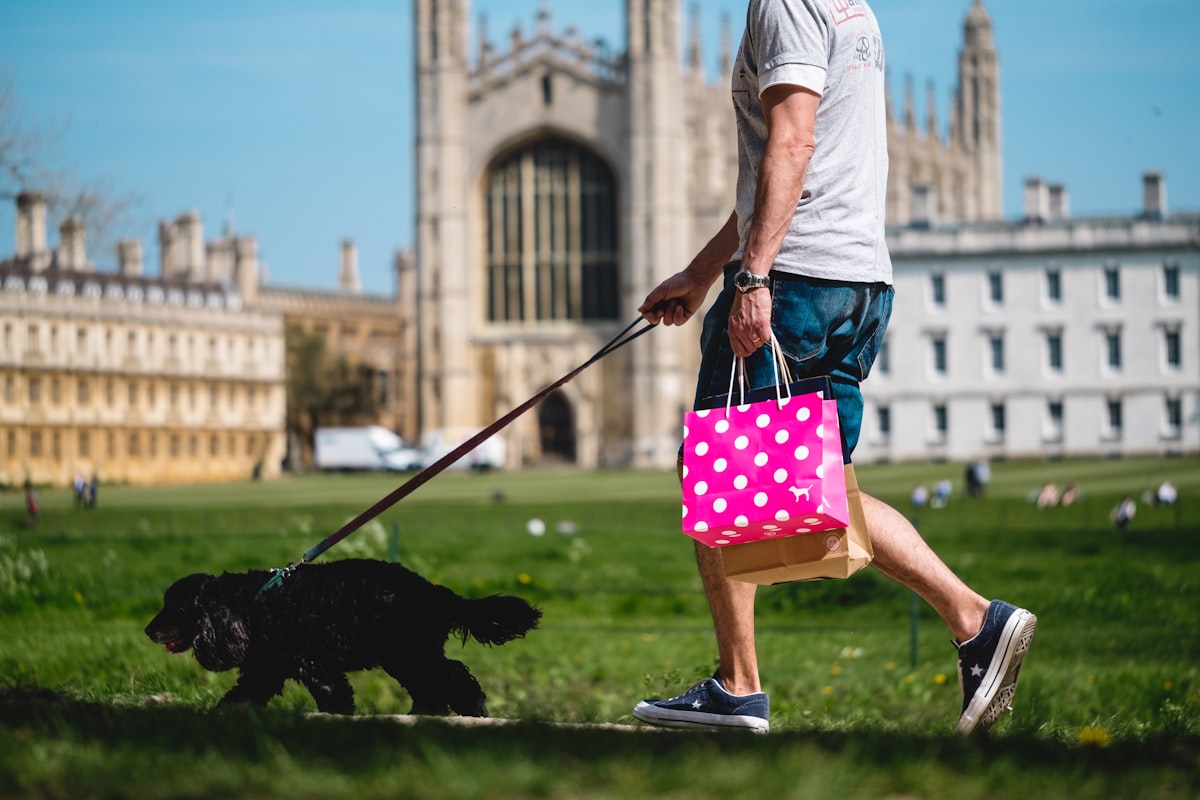
Which is why hours matter so much. Most Toronto daycares run weekdays only, roughly 7 AM to 7 PM, and the ones that open weekends usually run shorter hours. Life doesn't work like that. You work late, your train stalls, you'd occasionally like dinner with a friend after work without a countdown timer running. Most facilities also close 20 to 30 days a year for holidays, which are precisely the days you need help. We built our schedule around that reality: 7 AM to 9 PM, 365 days a year, with drop-off until 7 PM and late pickup until 9 PM at $10/hour after 7.
Preparing for the first day
Keep it simple. Bring vaccination records, your dog's regular food, any medications with instructions, and your contact details. Leave at home: toys and personal comfort items (see resource guarding, above; your dog will survive eight hours without the duck). Expect your dog to come home tired for the first few visits. That's normal adjustment. Over the following weeks, look for the real markers of success: settling faster at drop-off, greeting other dogs with more confidence, and generally being easier to live with.
Frequently asked questions
How much does dog daycare cost in Toronto?
Downtown facilities typically charge $45–$65 per full day. At Fluffy Paws: $58 weekdays, $65 weekends, $38 half-days, with weekly plans from $56 down to $47 per day. Walks, training reinforcement, feeding, and photo updates are included.
How many days a week should my dog go?
Two to three days is right for most dogs: consistent socialization without overstimulation. Seniors and puppies usually start with one or two half-days.
What are your hours?
Most Toronto daycares run 7 AM–7 PM on weekdays and close on holidays. We're open 7 AM–9 PM, 365 days a year, with drop-off until 7 PM and late pickup until 9 PM at $10/hour after 7 PM.
What does my dog need before starting?
Current vaccinations for their age including rabies (puppies can start from 12 weeks), reliable house training, and a completed meet-and-greet assessment.