

Toronto Winter Dog Care: What Actually Works When It's -15°C
I walk dogs through Liberty Village every day of the year, including the days when the wind off the lake makes -10°C feel like -20°C. After enough winters out there, you learn what actually protects a dog and what just looks good on a product page. Here's the honest version.
The real enemy is the sidewalk, not the sky
Ask Toronto owners what worries them in winter and they say cold. But the injuries I actually see are from salt. The city and every condo building salt aggressively, and those chemicals (sodium chloride and the harsher calcium chloride) dry, crack, and burn paw pads. Dogs then lick their paws at home and ingest it. Sand and grit add abrasion and wedge between toes.
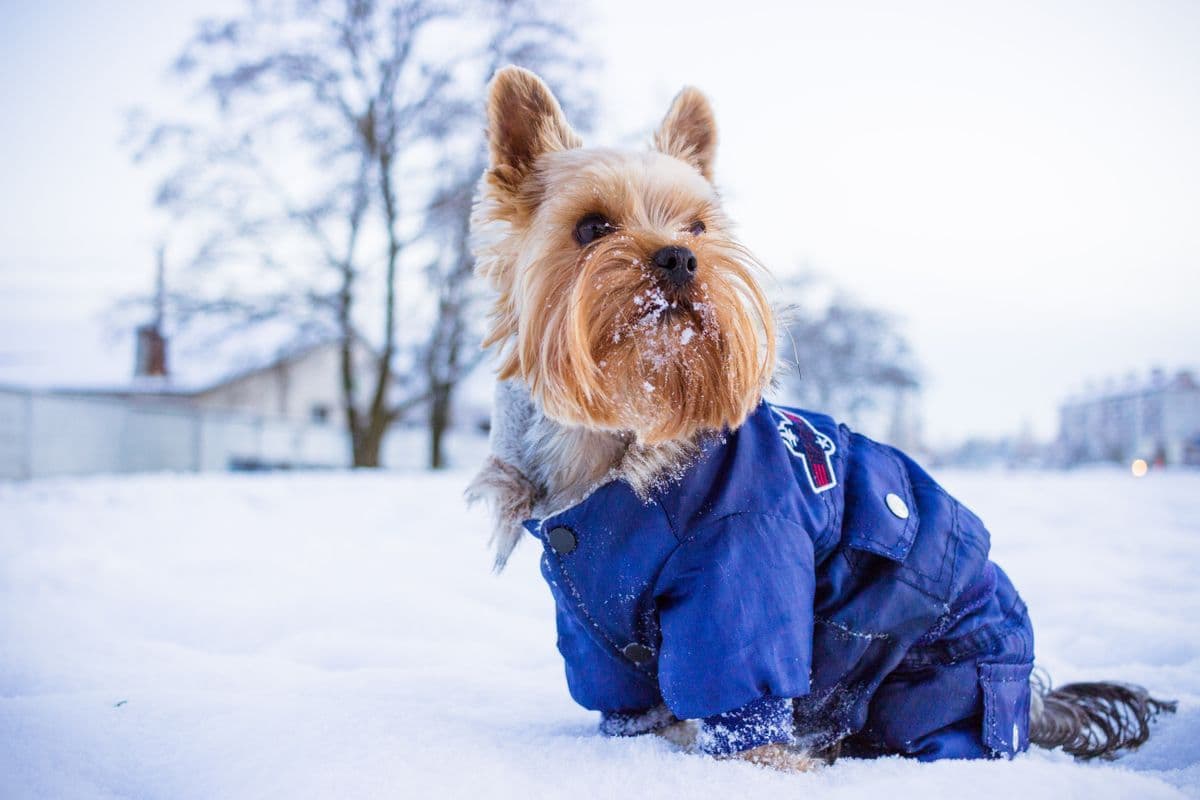
Cold matters too, but it's more predictable. Paw pads, ear tips, and tails are the frostbite zones; small dogs, short-coated breeds, seniors, and puppies lose heat fastest. If your dog is shivering, lifting paws off the ground, or suddenly lobbying to turn home, that's not stubbornness, that's data. Head in.
Honest temperature guidelines
Every dog is different (a Husky and a Chihuahua live in different winters), but these thresholds have served my clients well:
| Temperature | What it means for most dogs |
|---|---|
| Above 0°C | Normal walks, watch for slush and salt |
| -5°C to 0°C | Fine for most; coat for small, thin-coated, and senior dogs |
| -10°C to -5°C | Gear up, shorten walks, keep moving |
| Below -10°C | Essential trips only for vulnerable dogs; brief outings for hardy ones |
Always check the feels-like temperature, not the number on the thermometer. Liberty Village's wind tunnels between buildings routinely knock five degrees off whatever the forecast promised.
Gear that earns its place
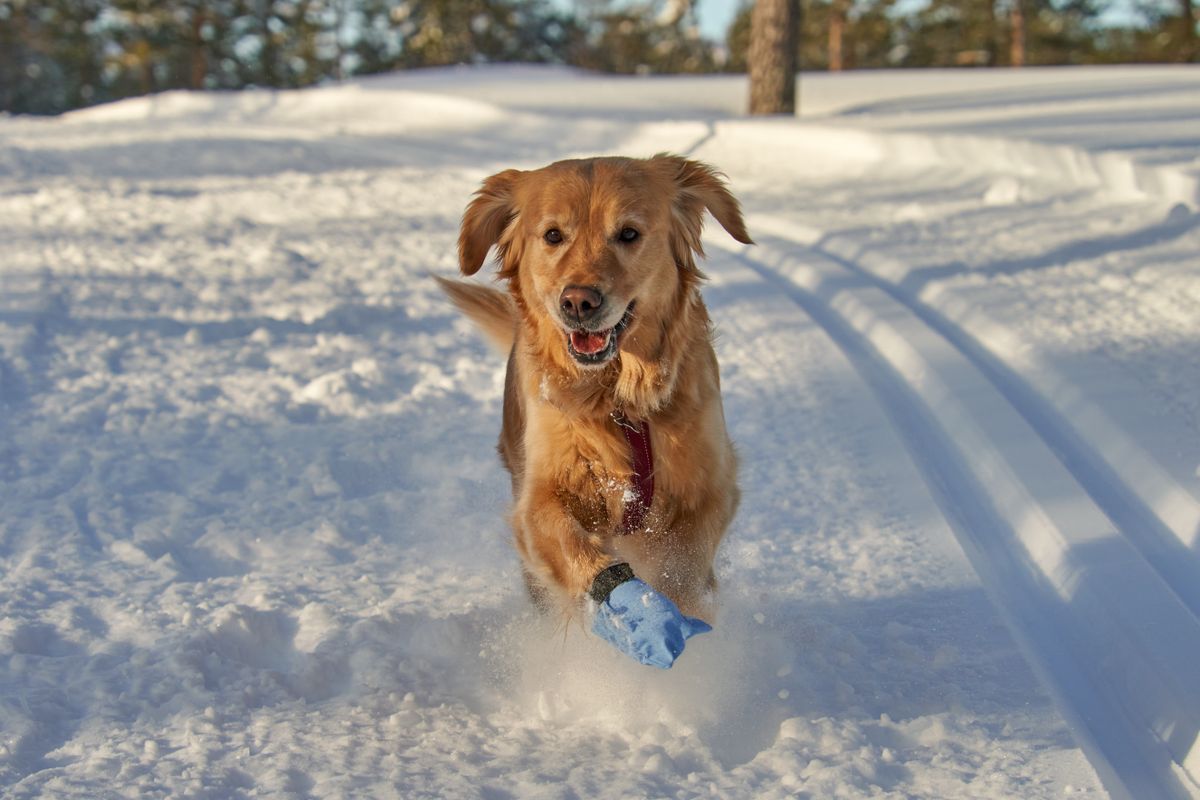
For paws, boots are the gold standard: full protection from salt, ice, and cold. Muttluks, a Canadian brand built for exactly our winters, and rubber Pawz-style booties are the ones I see succeed most. The catch: fit and training. Boots must be snug without rubbing, and no dog accepts them on day one. Introduce them indoors, one boot at a time, with treats and short wearing sessions, days before the first real walk.
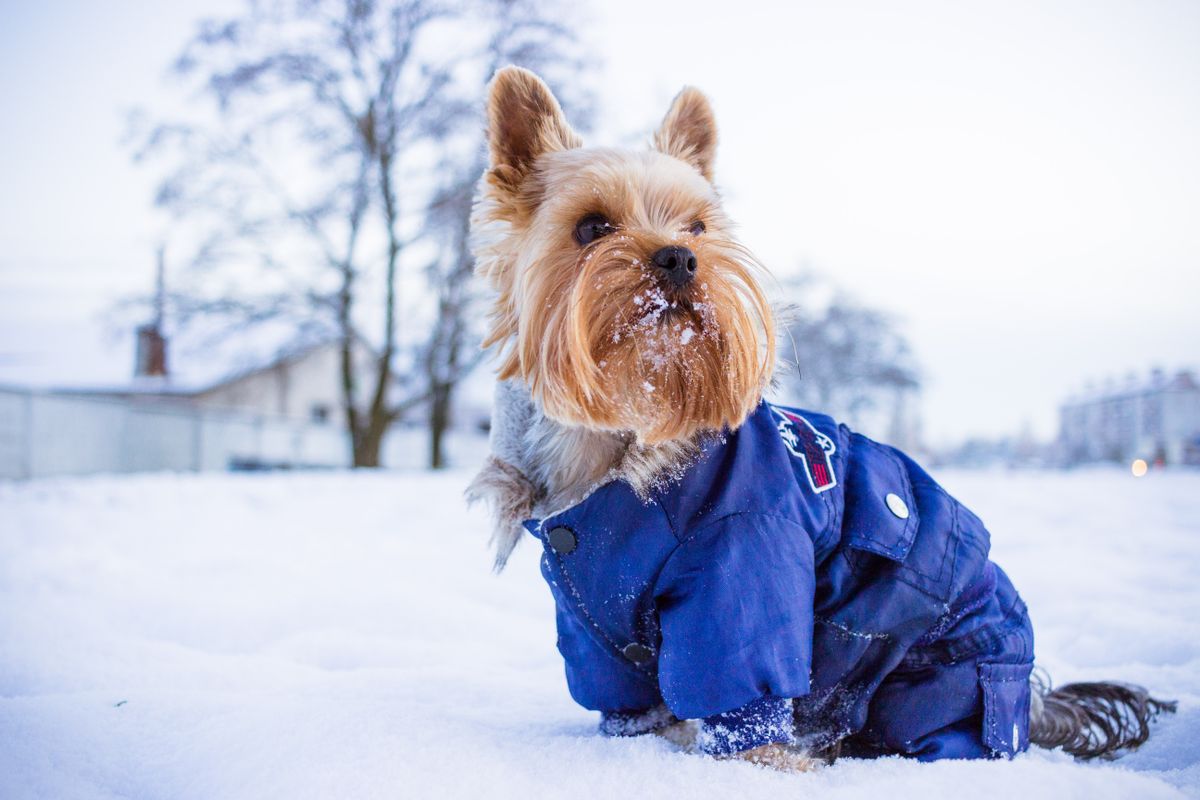
For dogs who veto boots (plenty do, usually with theatre) paw balm before the walk creates a protective wax barrier, and a warm-water rinse afterward removes the salt. That two-step routine is less perfect than boots but it's the one most owners actually maintain all winter, which makes it more effective in practice. Coats follow the same logic as the table above: small breeds, short coats, seniors, puppies, and dogs with freshly clipped fur all benefit; a double-coated northern breed mostly doesn't need one.
Pro tip: the 30-second post-walk paw rinse is the single highest-value winter habit. Warm water, dry thoroughly between the toes, quick check for cracks or redness. It prevents salt burns, stops paw-licking ingestion, and catches small problems before they become vet visits.
The hazards nobody mentions until it's too late
Antifreeze (ethylene glycol) tastes sweet to dogs and a small amount can be fatal. It drips in parking areas and garage entrances all winter. Never let your dog drink from winter puddles, and go straight to a vet if you suspect ingestion. Windshield-washer fluid is toxic for the same reasons.
Two quieter problems: dry skin from indoor heating (a humidifier helps, and skip unnecessary baths beyond salt rinses), and overgrown nails: snow is soft, so nails stop wearing down naturally and need more frequent trims. Check them weekly; clicking on the floor means they're overdue.
Keeping a dog exercised when it's grim out
The math of winter is simple: less outdoor time means the energy has to go somewhere, and "somewhere" is usually your couch cushions. Swap one long walk for two or three short ones on cold days, and fill the gap indoors: hallway or stairwell fetch where your building allows it, puzzle feeders that turn dinner into twenty minutes of work, hide-and-seek with treats around the apartment, and short training sessions. Ten minutes of learning a new trick tires a dog more than people expect, and unlike fetch, it also tires the part of the dog that invents hobbies involving your couch.

For high-energy dogs, though, there's a ceiling on what a condo can provide. This is honestly when daycare earns its keep most: climate-controlled play groups matched by temperament and energy, plus two individual outdoor walks per day that we manage for the conditions (shorter routes, paw checks, and salt rinses handled). If you're travelling over the holidays, our boarding runs 365 days a year, winter storms included.
Winter has a way of exposing the gap between theory and dog. A corgi mix I'll call Pickle arrived one January with beautiful new boots, all four of which he removed within a block, one by one, like a magician doing a slow reveal. His owner was ready to give up on walks entirely. We switched him to the unglamorous plan: balm before, rinse after, shorter routes on the less-salted side streets, and two daycare days a week to cover the exercise the short walks couldn't. Pickle sailed through February. The boots live in a drawer, undefeated.
Frequently asked questions
How cold is too cold to walk my dog in Toronto?
Below -10°C feels-like, keep outings brief and purposeful for most dogs; small, senior, and short-coated dogs should be on essential trips only. Above that, gear and common sense cover it.
My dog refuses boots. What now?
Join the club; many do. Use paw balm before walks and a warm rinse after, keep walks on less-salted routes where possible, and re-try boot training gradually indoors. Some dogs come around; some never do, and the balm routine is a solid plan B.
How do I know if my dog has salt burns or frostbite?
Salt irritation shows as licking, limping, and red or cracked pads. Frostbite shows as pale, grey, or bluish skin on paws, ears, or tail, often with swelling as it warms. Frostbite and any burn that doesn't improve within a day are vet visits, not wait-and-see.
Does daycare still run in extreme weather?
We're open 7 AM–9 PM, 365 days a year, including storm days and every holiday. Walks get shortened and managed for conditions; the indoor play doesn't stop.